

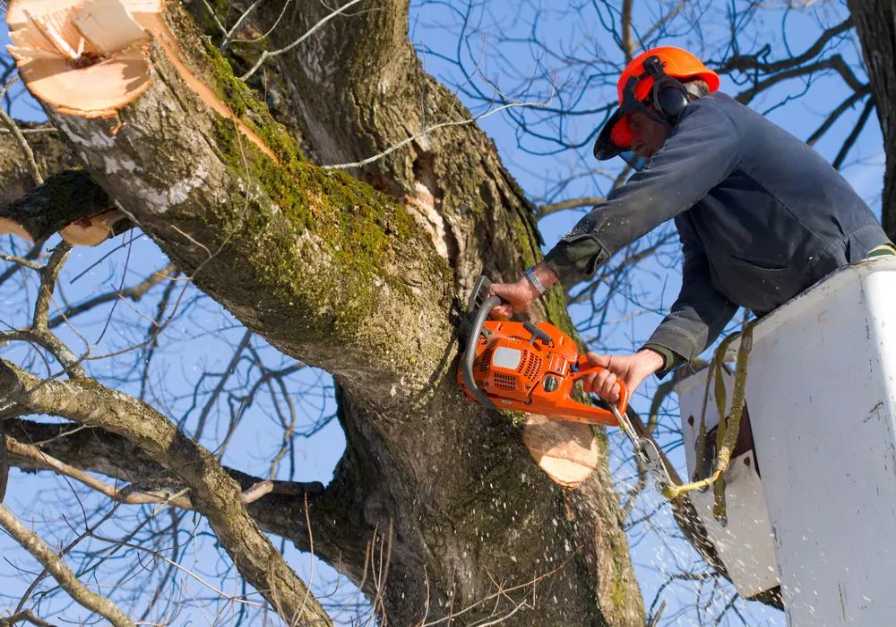
Because rules vary street to street, they should treat every tree job as a planning question first, and a chainsaw question second.
What does “council approval” actually mean for tree removal?
It usually means a permit or written consent under a local law, planning scheme, or vegetation protection rule. Tree removal service requirements can apply even on private land, including backyards and investment properties.
If they cannot produce a permit when asked, councils may issue fines or require replacement planting.
Why do council rules differ so much across Australia?
They differ because councils regulate trees through local laws and state planning frameworks, and each area has different canopy goals, bushfire risks, and heritage constraints. Tree removal council approval in Brisbane City Council can look very different to rules in Inner West Council (Sydney) or the City of Port Phillip (Melbourne).
They should always check the specific council website for their property address rather than relying on general advice.
When can they remove a tree without any approval?
They may be able to remove a tree without tree removal council approval when it falls under a clear exemption in the local rules. Common exemptions include small trees under a set trunk diameter, declared weeds, and genuine emergency hazards.
Even then, they should document the exemption, because councils often ask for evidence later.
Which trees are most likely to be protected by council controls?
Trees are commonly protected when they are large, mature, locally significant, or part of a streetscape the council wants to preserve. Tree removal council approval is more likely for native species, established canopy trees, and anything listed as a “significant tree” under a local policy.
If the tree is a recognised habitat tree or has hollows, councils may require extra ecological checks.
How do councils decide if a tree is “significant” or regulated?
Most councils use a measurable threshold such as trunk diameter at a specified height, height, canopy spread, or a combination. Tree removal council approval often triggers when a tree exceeds that threshold, even if the tree is not on a formal register.
They should measure carefully, because being a few centimetres over can change the entire process.
Does pruning also require council approval?
Sometimes, yes. Many councils treat heavy lopping as “tree removal by stages,” especially if it harms the tree or removes a large percentage of the canopy.
If they plan major pruning, they may still need tree removal council approval, or at least written confirmation that the pruning is exempt.
What if the tree is dead, dying, or dangerous?
Many councils allow removal without prior approval if the tree is dead or poses an immediate risk, but they usually expect proof. Tree removal council approval may be waived in emergencies, yet councils often require an arborist report, dated photos, and evidence of the hazard.
If there is time to apply, councils typically prefer they lodge an urgent permit rather than act first.
How does an arborist report affect the approval decision?
A strong arborist report can be the difference between approval and refusal. It should identify the tree, its condition, risk rating, and options other than removal, then justify why removal is necessary.
When seeking tree removal council approval, they should use a qualified arborist who can write for council assessment, not just quote for a job.
Do they need approval to remove trees near fences, pools, or home extensions?
They might, even if the tree is inconvenient. Councils often require tree removal council approval where removal is linked to new buildings, pools, granny flats, or major landscaping.
If the tree removal supports a development application, councils may assess it as part of the broader planning process, with stricter scrutiny and extra conditions.
What if roots are damaging driveways, drains, or retaining walls?
Root damage can be a valid reason, but councils usually want evidence that removal is the last resort. They may ask for plumbing reports, CCTV drain inspections, engineer notes, and an arborist assessment showing that root pruning or barriers are not workable.
Tree removal council approval is more likely when damage is severe, ongoing, and directly attributable to that tree.
Are there different rules for heritage properties or conservation areas?
Yes, and they are often stricter. Heritage overlays and conservation areas can require tree removal council approval even for smaller trees, especially if the tree contributes to a historic garden or streetscape.
They should expect longer processing times and may need heritage input, not just an arborist report.
What about protected vegetation, bushland, or coastal zones?
Environmental overlays, significant vegetation areas, and foreshore or dune systems can trigger additional rules. In these locations, tree removal council approval can involve biodiversity assessments, replanting ratios, or restrictions during nesting seasons.
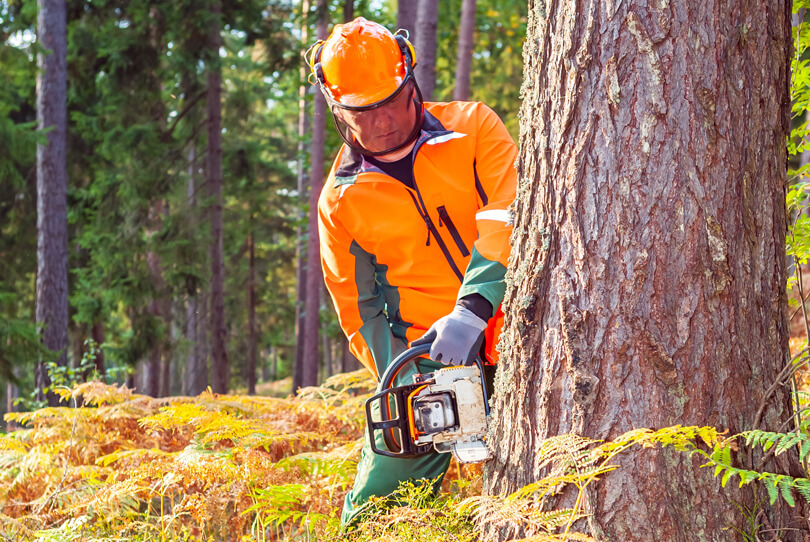
If the property backs onto reserve, creek lines, or bushland corridors, they should assume extra checks may require professional tree removal.
Does living in a bushfire-prone area change the approval requirement?
It can. Some councils and state frameworks allow vegetation management for asset protection zones, but the exact extent and distance from buildings is regulated.
They should not assume bushfire risk automatically cancels tree removal council approval, because clearing beyond the allowed parameters can still lead to enforcement.
Who is responsible if the tree is on the neighbour’s side or a boundary?
Responsibility usually follows ownership, which can be unclear on a boundary tree. If the trunk sits on the boundary line, both parties may need to agree before removal, and councils may require signatures from all owners.
If they remove a shared tree without tree removal council approval and without consent, disputes can escalate quickly.
Do they need approval for street trees or nature strip trees?
Yes. Street trees are typically council assets, and residents cannot remove or prune them without written permission. Tree removal council approval for street trees usually involves a separate process, and councils may only act if the tree is unsafe, causing verified damage, or unsuitable for the location.
If they engage a contractor to touch a street tree without consent, both parties can be penalised.
How can they quickly check whether approval is required?
They should start with the council’s online mapping tools and local law pages, then confirm by email. Many councils publish vegetation protection maps, overlay viewers, and fact sheets with size thresholds and exempt species lists.
For tree removal council approval, the fastest path is often to provide the address, photos, trunk measurements, and the reason for removal in a single enquiry.
What documents do councils usually ask for in a tree removal application?
Most councils ask for an application form, site plan, photos, and clear measurements of the tree. If risk or damage is claimed, they often request an arborist report, and sometimes supporting evidence like plumbing or engineering documents.
For tree removal council approval, incomplete applications tend to be delayed or refused, so they should submit everything upfront.
How long does the approval process take in Australia?
Timeframes vary, but a simple permit can take a few weeks, while complex sites can take longer. Delays are common when there are heritage controls, environmental overlays, or missing information.
If they need tree removal council approval for a construction timeline, they should apply early and avoid booking contractors until the permit is issued.
What conditions might councils place on approval?
Councils often approve removal with conditions such as replacement planting, choosing approved species, minimum pot size, and planting timeframes. Some require multiple replacement trees for a single mature removal, or payment into a canopy fund where planting is not possible.
They should read permit conditions carefully, because non-compliance can still trigger penalties.
What are the risks of removing a tree without approval?
The risks include fines, enforcement notices, legal costs, and mandatory replanting that can be more expensive than the original job. Councils may also issue stop-work orders on related building works until the matter is resolved.
If they skip tree removal council approval, they also risk issues at sale time if buyers request compliance evidence.
What should they do before booking a tree removalist?
They should confirm whether tree removal council approval is required, then choose a properly insured, qualified contractor. A reputable arborist or tree service will usually ask about permits and may refuse to proceed without documentation.
They should also photograph the tree, measure it, and keep written records of any council advice.
How can they handle urgent situations without breaking the rules?
They should contact the council immediately and ask for the urgent or hazard process, then collect evidence. If there is an immediate safety risk, they can also contact the State Emergency Service in storm events, or their insurer for guidance.
Even in urgent scenarios, tree removal council approval rules often hinge on proof, so documentation matters.
What’s the simplest rule of thumb they can follow?
If the tree is large, native, in a mapped overlay, on a boundary, or near the street, they should assume tree removal council approval might be required. If the tree is small and clearly exempt, they should still keep photos and measurements in case the exemption is questioned.
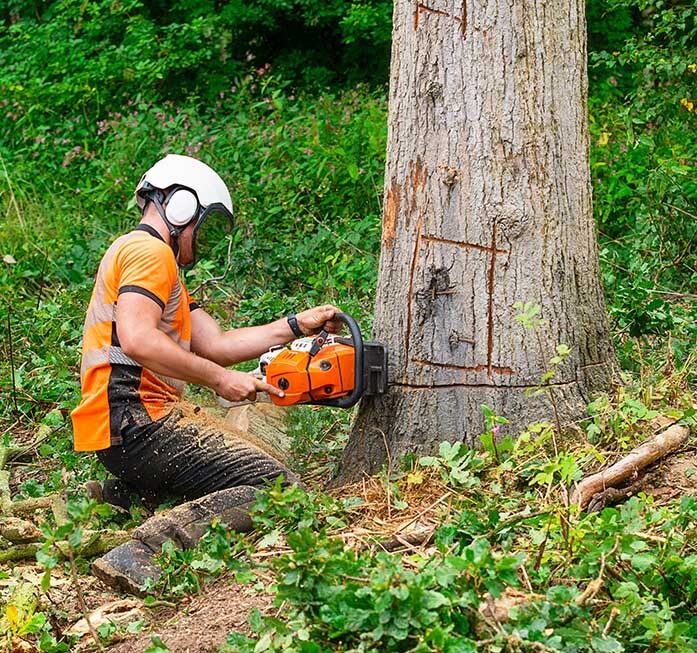
When in doubt, they should get written confirmation from their council before any cutting starts.
FAQs (Frequently Asked Questions)
What does ‘council approval’ mean for tree removal in Australia?
Council approval usually means obtaining a permit or written consent under local laws, planning schemes, or vegetation protection rules. This approval can apply even on private land, including backyards and investment properties. Without a permit, councils may issue fines or require replacement planting.
Why do tree removal council rules vary across different areas in Australia?
Council rules differ because each local council regulates trees through its own local laws and state planning frameworks. Factors like canopy goals, bushfire risks, and heritage constraints vary by area, leading to different tree removal requirements in places such as Brisbane City Council, Inner West Council (Sydney), or City of Port Phillip (Melbourne). It’s important to check the specific council website for your property address.
When can a tree be removed without council approval?
Trees can often be removed without council approval if they fall under clear exemptions in local rules. Common exemptions include small trees below a certain trunk diameter, declared weeds, and genuine emergency hazards. However, it’s advisable to document the exemption as councils may later request evidence.
Which trees are typically protected by council regulations?
Trees that are large, mature, locally significant, or part of a valued streetscape are commonly protected. Native species, established canopy trees, and those listed as ‘significant trees’ under local policies often require approval before removal. Trees serving as recognized habitats or containing hollows may also need additional ecological assessments.
Does pruning require council approval?
In some cases, yes. Many councils consider heavy lopping as ‘tree removal by stages,’ especially if it harms the tree or removes a large percentage of its canopy. Major pruning may therefore require council approval or at least written confirmation that the pruning is exempt from permits.
How does living in a bushfire-prone area affect tree removal approvals?
Living in bushfire-prone areas can influence tree removal permissions. Some councils and state frameworks allow vegetation management within asset protection zones but regulate the extent and distance from buildings. Bushfire risk does not automatically exempt tree removal from requiring council approval; clearing beyond allowed parameters can lead to enforcement actions.
<script type="application/ld+json">
{
  "@context": "https://schema.org",
  "@type": "BlogPosting",
  "mainEntityOfPage": {
    "@type": "WebPage",
    "@id": "https://methowvalleyherbs.com/when-does-tree-removal-actually-require-council-approval/"
  },
  "headline": "When Does Tree Removal Actually Require Council Approval?",
  "image": [
    "https://methowvalleyherbs.com/wp-content/uploads/2026/08/tree-removal-1-2-697x653-1.jpg",
    "https://methowvalleyherbs.com/wp-content/uploads/2026/08/arborist-tree-removal.jpg",
    "https://methowvalleyherbs.com/wp-content/uploads/2026/04/certified-arborist-assessing-a-tree.jpg"
  ],
  "author": {
    "@type": "",
    "name": "Imogen Darrell",
    "url": "https://methowvalleyherbs.com/author/admin/"
  },
  "publisher": {
    "@type": "Organization",
    "name": "Methow Valley Herbs Tagline	 Growing your herbal & trees knowledge",
    "logo": {
      "@type": "ImageObject",
      "url": "https://methowvalleyherbs.com/wp-content/uploads/2025/12/logo.png"
    }
  },
  "datePublished": ""
}
</script>