

1) Do they actually need tree removal, or would pruning solve it?
Removal is not always the best first option. A good provider should explain whether targeted pruning, crown reduction, deadwood removal, or cable bracing could reduce risk while keeping the tree.
If they jump straight to removal without inspecting structure, health, and location, they might be selling the most expensive solution, not the best one.
2) Are there council rules or approvals they need to deal with first?
In many Sydney LGAs, tree removal services Sydney often involve regulations where removing or heavily pruning certain trees may require council approval, especially for protected species or trees over a specific size. If the required approvals are skipped, property owners can still face fines or compliance orders.
Professional tree removal services Sydney providers should be able to identify when approval is likely needed and guide clients toward the correct council application process, even if they do not lodge the applications themselves.
3) Are they insured for tree removal, and can they prove it?
They should carry current public liability insurance and, if they have workers, workers compensation coverage. Tree removal is one of the most claim-heavy trades, so a vague “yes, insured” is not enough.
They should be willing to provide certificates of currency that match the business name on the quote and cover the dates of work.
4) Are they qualified arborists, or just operators with a chainsaw?
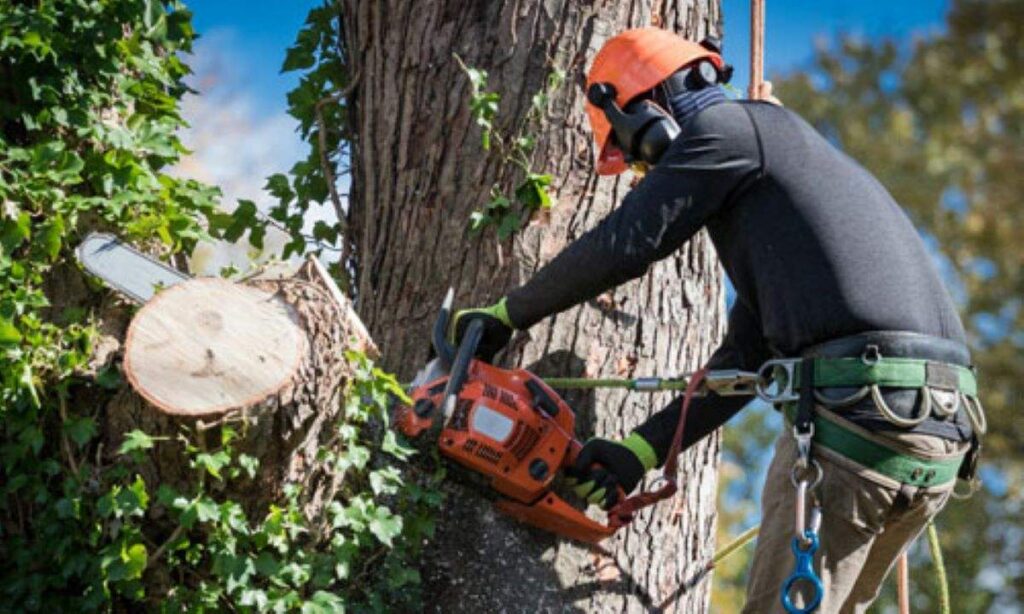
Tree removal can be done by competent crews, but jobs involving risk, tree health decisions, or complex rigging benefit from a qualified arborist. They should be able to explain who is supervising, what experience they have, and why the chosen method is safe for that specific site.
If the job touches structural pruning decisions, hazard assessment, or tree preservation rules, qualifications matter even more.
5) What method will they use, and how will they protect nearby property?
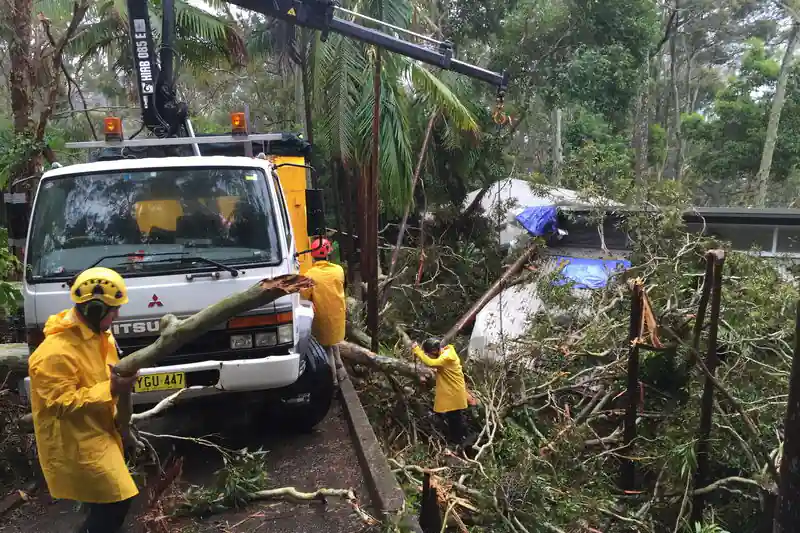
They should describe the removal plan, such as sectional dismantling with ropes, rigging, a crane, or an elevated work platform, and why it suits the site. They should also explain how they will protect roofs, fences, gardens, and driveways, and where limbs will be lowered.
If the plan is simply “they will cut it and it will fall,” that is a red flag unless the site is genuinely clear and controlled.
6) How close is the tree to powerlines, and are they allowed to work there?
Trees near powerlines are a specialist risk category. They should clearly state what clearance rules apply and whether a qualified line-clearance team or the relevant utility needs to be involved.
If they appear casual about working near live lines, they may be putting people and property at serious risk, and the job can be stopped mid-way.
7) What is included in the quote, and what costs commonly get added later?
A clear quote should state what they will remove, what they will take away, and what they will leave behind. It should also specify whether they include green waste removal, stump grinding, wood chipping, site cleanup, and any access equipment like cranes.
They should also list common variables that can change price, such as hidden decay, restricted access, extra traffic control needs, or heavier-than-expected rigging.
8) Will they remove the stump, grind it, or leave it, and why?
Tree removal often leaves a stump unless stump grinding is included. They should explain options: leaving it flush cut, grinding below ground level for re-turfing or planting, or full extraction where required.
They should also flag practical constraints, like underground services, tight access for grinders, or the possibility of surface roots reappearing if only a partial grind is done. For a clearer overview, read about what’s typically included in residential arborist services in Sydney and how they support tree care and maintenance.
9) How will they handle neighbours, noise, access, and safety on the day?
They should outline how they will set up exclusion zones, manage pedestrians, and keep the site controlled. In busy Sydney streets, they may need parking arrangements, spotters, or traffic control depending on the site.
They should also communicate timing, noise expectations, and whether they will need access through neighbouring property, plus how they plan to avoid disputes with clear, written scheduling.
A simple hiring checklist they can use
Before booking, they should confirm: they inspected the site, explained alternatives, flagged council issues, provided proof of insurance, outlined the method, addressed powerline risks, itemised inclusions, clarified stump handling, and explained day-of safety and access.
If a provider cannot answer these basics clearly, it is usually worth getting another quote.
FAQs (Frequently Asked Questions)
Do I always need to remove a tree, or could pruning be a better solution?
Tree removal isn’t always the best first option. A reputable tree removal service in Sydney should assess the tree’s structure, health, and location to determine if targeted pruning, crown reduction, deadwood removal, or cable bracing can effectively reduce risk while preserving the tree. Beware of providers who jump straight to removal without proper inspection, as they might be pushing the most expensive solution rather than the best one.
Are there council approvals required before removing or heavily pruning trees in Sydney?
Yes, many Sydney local government areas (LGAs) require approvals for removing or heavily pruning certain trees, especially protected species or those over specific sizes. A professional tree removal contractor should identify any likely approval needs and guide you toward the correct council process. Skipping these approvals can expose property owners to fines or compliance orders.
Is it important that my tree removal service is insured? How can I verify this?
Absolutely. Tree removal is a high-risk trade with many claims. Your contractor should have current public liability insurance and workers compensation coverage if they employ workers. Simply saying ‘yes, insured’ isn’t enough—they must provide certificates of currency matching their business name on your quote and covering the dates of work.
Should I hire qualified arborists for tree removal instead of just operators with chainsaws?
While competent crews can perform basic removals, jobs involving risk assessment, tree health decisions, or complex rigging benefit greatly from qualified arborists. They can explain supervision, experience, and safe methods tailored to your site. Qualifications are especially important when structural pruning decisions, hazard assessments, or preservation rules apply.
What methods will be used to remove my tree and protect nearby property?
A professional service will describe their removal plan—such as sectional dismantling using ropes, rigging, cranes, or elevated work platforms—and explain why it’s suitable for your site. They should also detail how they’ll protect roofs, fences, gardens, and driveways during limb lowering. If their plan is simply ‘cut it and let it fall,’ that’s a red flag unless the area is genuinely clear and controlled.
How do tree removal services handle trees near powerlines in Sydney?
Trees close to powerlines pose specialist risks requiring strict clearance rules. Your contractor should clarify applicable regulations and whether a qualified line-clearance team or utility company involvement is necessary. Casual attitudes toward working near live lines are dangerous and may lead to job stoppage mid-way due to safety concerns.