

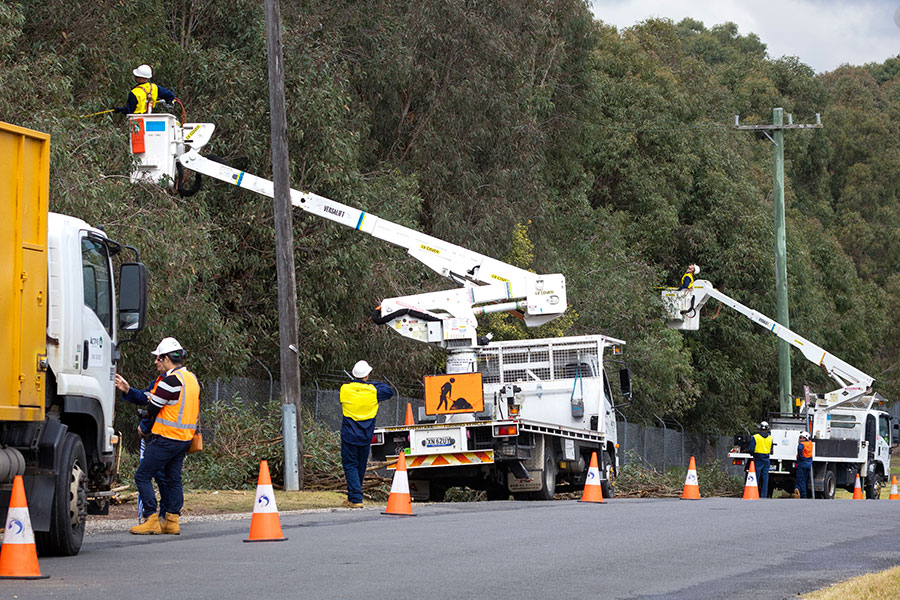
This guide breaks down what clients can expect when they hire professional tree services, and what separates a qualified operator from a risky, cash job.
What do professional tree services do before any cutting starts?
They begin with an on-site assessment to confirm risks, access, and the best method of work. In many Australian suburbs, that first visit also helps tree services identify nearby powerlines, tight driveways, neighbours’ fences, and protected vegetation rules.
They will typically explain options like pruning, bracing, or staged reductions, not just removal, then provide a written quote and scope.
How do they handle safety, insurance, and compliance on Australian sites?
They manage safety planning, traffic control where needed, and public protection around footpaths and nature strips. In practice, this is where professional tree services earn their keep because hazards change fast when timber starts moving.
Reputable operators carry public liability insurance and use trained climbers or EWP operators. They also follow industry safe work practices and will not pressure clients into unsafe shortcuts.
Can they help with council approvals and protected tree rules?
Yes, many will guide clients through local council rules, especially where Tree Preservation Orders or Significant Tree registers apply. Across Australia, requirements vary by council, so the operator often checks species, trunk diameter, and zoning constraints.
Some professional tree services can prepare supporting notes, photos, and a basic arborist style justification to help a client lodge an application correctly.
What pruning and canopy work is typically included?
They can remove deadwood, reduce weight on long limbs, lift canopies for clearance, and thin crowns to improve airflow. The goal is usually to reduce risk while keeping the tree healthy and balanced.
Good pruning is measured and selective, not topping. Many professional tree services will explain how they avoid over pruning that can trigger regrowth, sunburn on limbs, or structural weakness.
Do they provide tree health checks and arborist advice?
Often, yes. They may assess pests, fungal fruiting bodies, dieback, root disturbance, or storm damage, then recommend treatment or monitoring. In Australian gardens, this might include checking for borer activity, soil compaction, or water stress during hot summers.
Where the issue is complex, they may refer to a consulting arborist for a formal report.
How do they manage dangerous trees near homes and powerlines?
They use controlled rigging, sectional dismantling, or elevated work platforms to remove limbs safely in confined spaces. If powerlines are involved, they will apply extra exclusion zones and may coordinate with the local network, depending on clearance needs.
This is a common reason people choose professional tree services rather than attempting DIY. The risk is not just property damage, but serious injury.
What stump grinding and root management options are available?
They can grind stumps below ground level so the area can be turfed, paved, or replanted. They will usually confirm how deep the grind will go, whether roots near pipes are a concern, and where the spoil will end up.
Some professional tree services also advise on whether to leave the stump for habitat, or remove it to reduce termites and regrowth risks.
Do they include mulching, green waste removal, and clean up?
Yes, clean up is usually part of the scope, but the level varies and should be written into the quote. Many crews chip branches onsite, remove logs, rake the area, and blow paths and driveways.
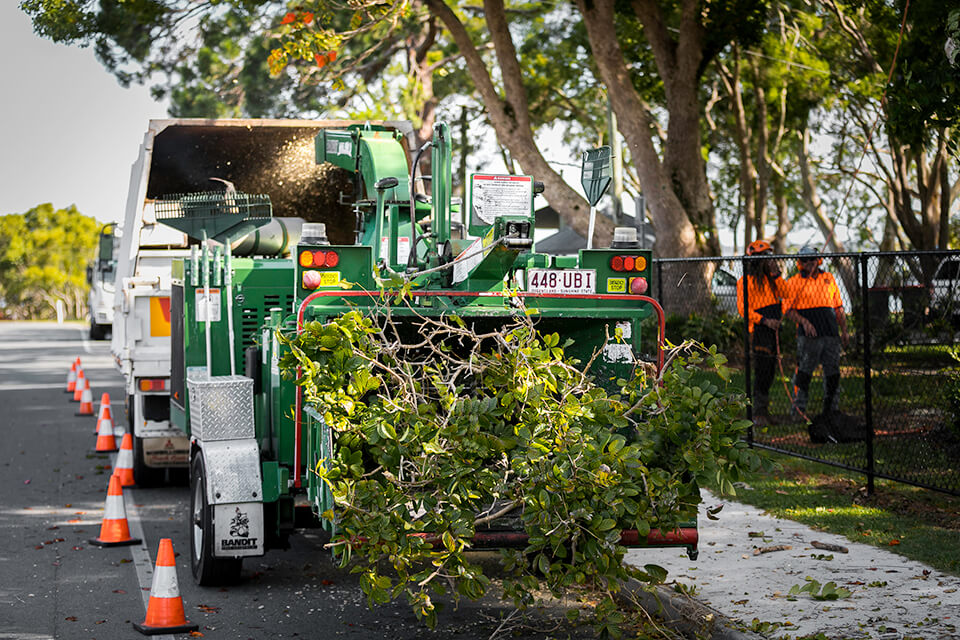
Clients can often choose to keep mulch or firewood. When using professional tree services, tree removal council approval should be confirmed where required, while waste is disposed of legally rather than dumped in bushland or vacant blocks.
Can they help after storms and emergency callouts?
They can respond to storm damaged limbs, split trunks, and trees leaning over roofs or driveways. In Australian storm seasons, this might mean making the site safe first, then returning for full works once access and weather improve.
Emergency jobs are often about risk reduction, not perfect aesthetics, and professional tree services will prioritise stabilising hazards quickly.
What services protect trees rather than remove them?
They can install cable bracing, reduce end weight, improve clearances, or recommend soil and watering changes to support recovery. Where a tree has sentimental or amenity value, they may stage works over time instead of removing it.
In many cases, professional tree services can extend a tree’s safe life by years with careful pruning and monitoring.
How do they handle neighbour issues, boundaries, and shared responsibility?
They can identify which tree is causing the issue, how far limbs extend, and what works are reasonable without destabilising the tree. In Australia, fence line trees often lead to disputes, so clear documentation and photos matter.
They may suggest clients speak with neighbours first, then align the scope to avoid surprise access requests, blocked driveways, or confusion about who pays.
What should clients expect in a quote and scope of works?
They should expect a written description of what will be cut, what will remain, what happens to waste, and whether stump grinding is included. A good quote also notes access needs, exclusions, and any uncertainty, such as hidden decay or restricted machine entry.
When comparing professional tree services, clients should look beyond price and check the scope is genuinely comparable.
How do they support replanting and long term site planning?
They may recommend suitable replacement species for Australian conditions, considering root space, bushfire zones, shade needs, and proximity to structures. They can also advise where not to plant, such as near sewers, retaining walls, or tight corners that will cause future conflicts.
Some professional tree services partner with landscapers or nurseries to help clients rebuild canopy the right way.
What’s the simplest way to tell if they’re truly professional?
They are transparent about method, risk, and what the job will look like when finished. They do not promise impossible outcomes, and they document what they will do before they start.
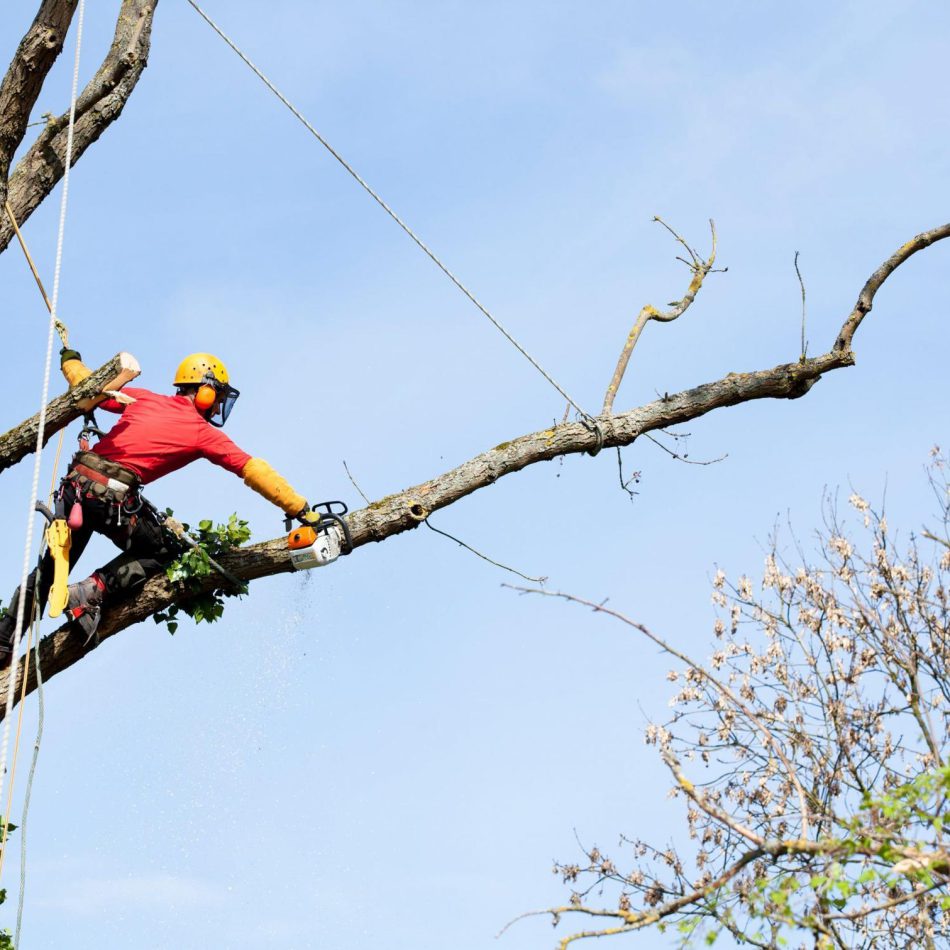
When clients hire professional tree services, they are paying for planning, safety, skill, and compliance, not just a chainsaw cut.
FAQs (Frequently Asked Questions)
What services do professional tree services in Australia provide beyond just cutting down trees?
Professional tree services in Australia offer a wide range of services including safety assessments, council paperwork assistance, long-term tree health management, pruning, bracing, staged reductions, and more. They focus not only on removal but also on preserving tree health and complying with local regulations.
How do professional tree services ensure safety and compliance during tree work?
They conduct thorough safety planning, implement traffic control when necessary, and protect public areas like footpaths and nature strips. Reputable operators carry public liability insurance, use trained climbers or elevated work platform operators, follow industry safe work practices, and avoid unsafe shortcuts to manage dynamic hazards effectively.
Can professional tree services assist with local council approvals and protected tree regulations?
Yes, many professional tree services guide clients through local council requirements such as Tree Preservation Orders or Significant Tree registers. They check species, trunk diameter, zoning constraints, and can prepare supporting documents like photos and arborist-style justifications to help clients lodge applications correctly.
What types of pruning and canopy maintenance do professional tree services typically perform?
They remove deadwood, reduce weight on long limbs, lift canopies for clearance, and thin crowns to improve airflow. Their pruning is selective and measured to reduce risks while maintaining tree health and balance. They avoid topping to prevent regrowth issues, sunburn on limbs, or structural weaknesses.
How do professional tree services handle dangerous trees near homes and powerlines?
They use controlled rigging, sectional dismantling, or elevated work platforms to safely remove limbs in confined spaces. When powerlines are involved, they apply extra exclusion zones and may coordinate with local network providers to ensure safety. These measures minimize risks of property damage and serious injury.
What should clients expect in a professional tree service quote and scope of works?
Clients should receive a written description detailing what will be cut or retained, waste handling procedures, inclusion of stump grinding if applicable, access requirements, exclusions, and any uncertainties such as hidden decay or restricted machine access. Comparing quotes should involve evaluating the completeness of the scope alongside pricing.
<script type="application/ld+json">
{
  "@context": "https://schema.org",
  "@type": "BlogPosting",
  "mainEntityOfPage": {
    "@type": "WebPage",
    "@id": "https://methowvalleyherbs.com/what-professional-tree-services-include-beyond-just-removal/"
  },
  "headline": "Can they help with council approvals and protected tree rules?",
  "image": [
    "https://methowvalleyherbs.com/wp-content/uploads/2026/08/Independent-Tree-Services_2017_31.jpg",
    "https://methowvalleyherbs.com/wp-content/uploads/2026/08/arborist-XDtRtU-950x950-1.jpg",
    "https://methowvalleyherbs.com/wp-content/uploads/2026/08/79-active-tree-services-ats-vegetation-management-trees-arborist-australia-cutting-pruning-ewp-chipper-urban-forestry-maintenance-arboriculture-nsw-qld-vic-tas-sa.jpg"
  ],
  "author": {
    "@type": "",
    "name": "Imogen Darrell",
    "url": "https://methowvalleyherbs.com/author/admin/"
  },
  "publisher": {
    "@type": "Organization",
    "name": "Methow Valley Herbs Tagline	 Growing your herbal & trees knowledge",
    "logo": {
      "@type": "ImageObject",
      "url": "https://methowvalleyherbs.com/wp-content/uploads/2025/12/logo.png"
    }
  },
  "datePublished": ""
}
</script>