The fastest way to avoid overpaying or hiring the wrong team is to compare quotes in a structured way. Price matters, but what the quote includes, how the work will be done, and whether the contractor is properly insured matters more.
What does “tree lopping” actually mean, and is it the right service?
When searching for tree lopping near me, it is important to understand that “tree lopping” usually means cutting back large branches or reducing the canopy, often quite heavily. It is not always best practice, because poor cuts can stress the tree, encourage weak regrowth, and increase the risk of failure later. To better understand the difference between proper pruning techniques and heavy lopping practices, learn more.
A better contractor will talk in terms of pruning, crown reduction, crown lifting, deadwood removal, or sectional dismantling. If they only offer “lopping” without explaining the method and outcome, that is a sign to slow down and ask more questions.
What information should they provide to get a like-for-like quote?
They should be able to quote accurately only if they know what they are dealing with. The best comparisons start by giving each contractor the same details, ideally in writing.
They should be told the tree species if known, approximate height, access limitations, what is underneath the canopy (conservatory, parked cars, sheds), and what the desired result is. Photos help, but a site visit is usually needed for a firm price.
What should a professional tree lopping quote include?
A good quote is specific, not a single number on a text message. It should clearly state the scope of works, what will be removed, and what will be left.
It should also specify whether waste will be chipped and taken away, whether timber will be removed or left as logs, whether stumps are included, and whether they will tidy the site. If traffic management, climbing, or a MEWP is required, it should be shown.
How can they compare prices without missing hidden costs?
They should compare totals only after aligning the inclusions. The cheapest quote often excludes waste removal, stump work, or the harder rigging needed to protect buildings.
They should ask each contractor to confirm what happens with arisings, whether VAT is included, and whether the price changes if the team needs extra time. If a quote is much lower than the rest, they should ask what assumptions it is based on.
What insurance and qualifications should they ask for?
They should ask for proof of public liability insurance and, if staff are used, employers’ liability insurance. If they cannot provide certificates, they should not be hired.
They should also ask who will be doing the cutting and whether they hold relevant NPTC units for chainsaw use and aerial cutting. Membership of professional bodies can help, but clear evidence of competence and insurance is the baseline.
How do they check if permission is needed before lopping?
They should assume permissions might apply until proven otherwise. Trees can be protected by Tree Preservation Orders, and many properties sit in conservation areas where notice is required.
A reputable contractor will ask about protections early and may help check with the local council. If a contractor encourages them to “just do it” without checks, they risk fines and forced replacement planting. Click here to get more safe tree program guidelines.
How should they judge method and safety, not just the finish?
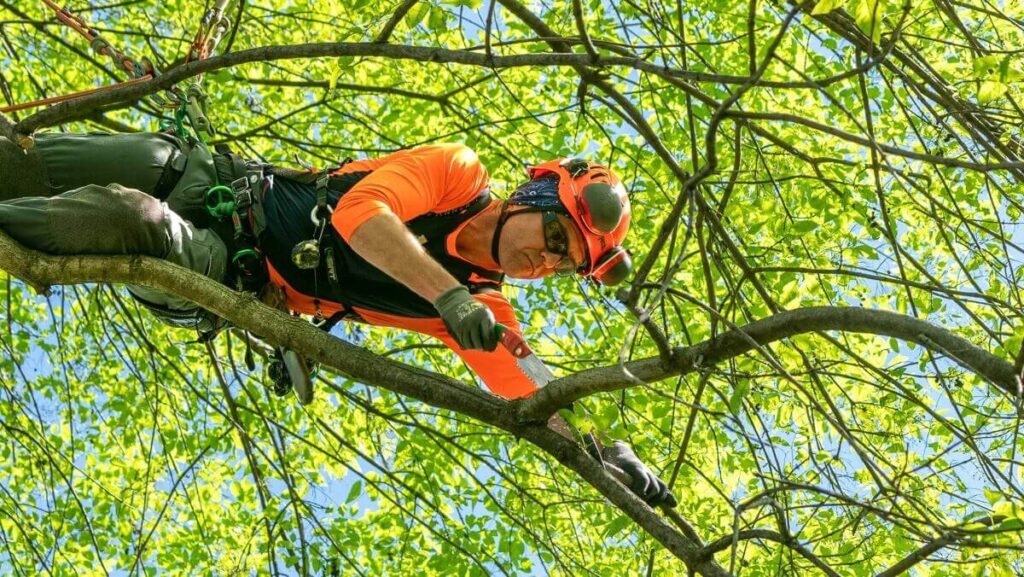
They should listen for a plan that matches the site risks. A careful team will talk about drop zones, rigging, lowering branches in sections, and protecting lawns, roofs, and neighbouring gardens.
They should also look for basic safety behaviour: signage, PPE, and a clear approach to keeping the public away. If they turn up to quote and dismiss hazards, that attitude usually carries into the job.
What questions should they ask about waste removal and clean-up?
They should ask exactly what “clean-up” means. Some teams rake and blow, others only clear big pieces, and some include removal of all sawdust and leaf litter.
They should confirm whether all chip and logs are removed, whether they can keep logs if they want them, and whether there will be multiple vehicle trips. A quote should say where waste goes, ideally to a licensed green waste facility.
How can they assess the contractor’s reputation quickly?
They should check recent reviews, not just star ratings. Specific comments about punctuality, communication, respecting property, and sticking to price matter more than generic praise.
They should also ask for photos of similar jobs, ideally on comparable trees and near buildings. If possible, they should confirm the business has a physical address and a landline or consistent contact details, not only a mobile number.
What red flags suggest they should walk away?
They should be wary if the contractor refuses a written quote, cannot show insurance, or pressures for cash only. They should also avoid anyone who offers to top a tree without discussing health, structure, or regrowth.
Another red flag is vague scope, such as “lop back a bit”, with no measurable description. If there is no discussion of permissions, access, or safety controls, it is usually not a professional service.
How do they decide between two similar quotes?
They should pick the quote that is clearest, safest, and most specific, even if it is slightly higher. The best choice is usually the contractor who explains what they will do and why, and who documents it properly. Understanding the best time for tree pruning in Sydney can also help when comparing recommendations from different contractors.
They should also consider scheduling, communication, and how confident they feel about the team respecting neighbours and property. A well-planned job prevents damage, disputes, and repeat call-outs.
What is a sensible next step after choosing a service?
They should confirm the start date, the exact scope, and payment terms in writing before any cutting begins. They should also clarify access, parking, and whether they need to notify neighbours.
On the day, they should photograph the area beforehand and keep pets and children inside. After completion, they should check the agreed work, confirm waste is removed as stated, and keep the invoice for records and future property questions.
FAQs (Frequently Asked Questions)
What exactly does ‘tree lopping’ involve, and is it the best option for my tree?
Tree lopping typically means cutting back large branches or heavily reducing the canopy. However, it is not always best practice as poor cuts can stress the tree and encourage weak regrowth. A professional contractor will discuss alternative methods like pruning, crown reduction, or sectional dismantling to ensure the tree’s health and safety.
How can I get accurate and comparable quotes for tree lopping services?
To obtain like-for-like quotes, provide each contractor with detailed information such as tree species, approximate height, access limitations, what’s underneath the canopy (e.g., conservatory or parked cars), and your desired outcome. Including photos helps, but a site visit usually ensures a firm price.
What should a professional tree lopping quote include?
A comprehensive quote should specify the scope of work, detailing what will be removed and what will remain. It should clarify waste disposal methods (chipping and removal), timber handling (removal or left as logs), stump work inclusion, site tidying, and any required traffic management or equipment like MEWPs.
How do I compare prices without missing hidden costs in tree lopping quotes?
Compare total costs only after ensuring all inclusions align. The cheapest quote may exclude waste removal, stump grinding, or complex rigging needed to protect buildings. Confirm with each contractor about arisings disposal, VAT inclusion, and potential price changes if extra time is needed.
What insurance and qualifications should I verify before hiring a tree lopping contractor?
Ask for proof of public liability insurance and employers’ liability insurance if staff are involved. Ensure the workers hold relevant NPTC units for chainsaw use and aerial cutting. Membership in professional bodies is beneficial but clear evidence of competence and insurance is essential.
Do I need permission before proceeding with tree lopping on my property?
Permissions might be required if your tree is protected by Tree Preservation Orders or if your property lies within a conservation area where notice must be given. A reputable contractor will inquire about these protections early on and assist in checking with your local council to avoid fines or forced replacement planting.