When is the best time to prune most trees in Sydney?
For many established trees, late winter to early spring is often the most suitable time. Trees are typically less active, which can reduce sap loss and make structure easier to see before fresh growth begins.
This timing also supports strong regrowth as the warmer months arrive. It is still important to match the season to the tree type, because some species respond better at different times.
Why does timing matter so much for tree health?
Tree pruning Sydney timing affects how well a tree seals pruning wounds and how much energy it has to recover. Poorly timed cuts can trigger weak growth, increase disease risk, or remove next season’s flowers and fruit.
Sydney’s warm, humid periods can also encourage fungal issues on fresh cuts. Pruning when conditions are milder can lower that risk.
Which trees should be pruned after flowering?
Many ornamentals that flower in spring should be pruned soon after they finish blooming. That is because they often form next year’s flower buds on older wood.
If they are pruned in late winter, it may remove those buds and reduce flowering. Common examples include some varieties of magnolia, camellia, and flowering cherries, depending on the exact type.
When should evergreen trees be trimmed in Sydney?
Evergreens are often pruned in late winter or early spring, before their main flush of growth. This helps them respond with dense, even regrowth.
Light maintenance trimming can also be done in early summer, but heavy pruning during hot spells can stress foliage. If heatwaves are forecast, it is usually better to delay non-urgent work.
Is summer pruning ever a good idea?
Summer pruning can be useful when they need to slow vigorous growth, improve light penetration, or reduce wind resistance. It is also a common time to remove storm-damaged limbs after severe weather.
The risk is heat stress and sunburn on newly exposed branches. If summer pruning is necessary, it is usually kept light, and trees should not be over-thinned.
What about pruning during autumn in Sydney?
Autumn can be fine for minor corrective pruning and removing deadwood. However, it is often not ideal for major cuts because some trees are preparing for dormancy and may respond more slowly.
It is also a period when fungal spores can be active, especially in damp conditions. If large pruning wounds are likely, many arborists prefer winter instead.
Should trees be pruned in spring?
Spring pruning can work for some trees, but it depends on what they are trying to achieve. If the goal is to remove dead, damaged, or dangerous branches, season matters less than safety.
For heavy structural pruning, spring can sometimes cause rapid, soft growth that is more prone to pests and breakage. It can also interfere with flowering for certain ornamentals.
How often should trees be pruned for safety and shape?
There is no single schedule that fits every tree. Many established trees do well with an inspection every 1 to 3 years, especially in areas exposed to storms.
Fast-growing species may need more frequent shaping, while slower-growing natives may need only occasional corrective work. The focus should be on structure, clearance, and removing defects rather than frequent cutting.
What are the signs a tree needs pruning now, regardless of season?
Dead branches, cracked limbs, hanging wood, and rubbing branches are signs they may need attention immediately. Limbs interfering with roofs, power lines, driveways, or pedestrian areas also raise risk.
If a tree has recently dropped branches, developed a sudden lean, or shows decay, it should be assessed promptly. In these cases, timing is secondary to preventing injury or property damage.
Other Resources : Exemptions for pruning and removing trees
How can they avoid common pruning mistakes?
The biggest mistake is over-pruning, including topping and excessive canopy thinning. These practices can weaken structure, trigger stressed regrowth, and shorten the tree’s life.
They should also avoid cutting flush to the trunk or leaving long stubs. Correct cuts support natural wound closure and reduce decay. If large limbs must be removed, staged pruning may be safer for the tree.
Do they need council approval for tree pruning in Sydney?
In many parts of Sydney, pruning and removal can be regulated, particularly for significant trees, heritage items, or trees in conservation areas. Even on private property, approvals may be required depending on the Local Environmental Plan and the tree’s size and species.
They should check with their local council before major pruning. Hiring a qualified arborist can also help ensure compliance and proper documentation.
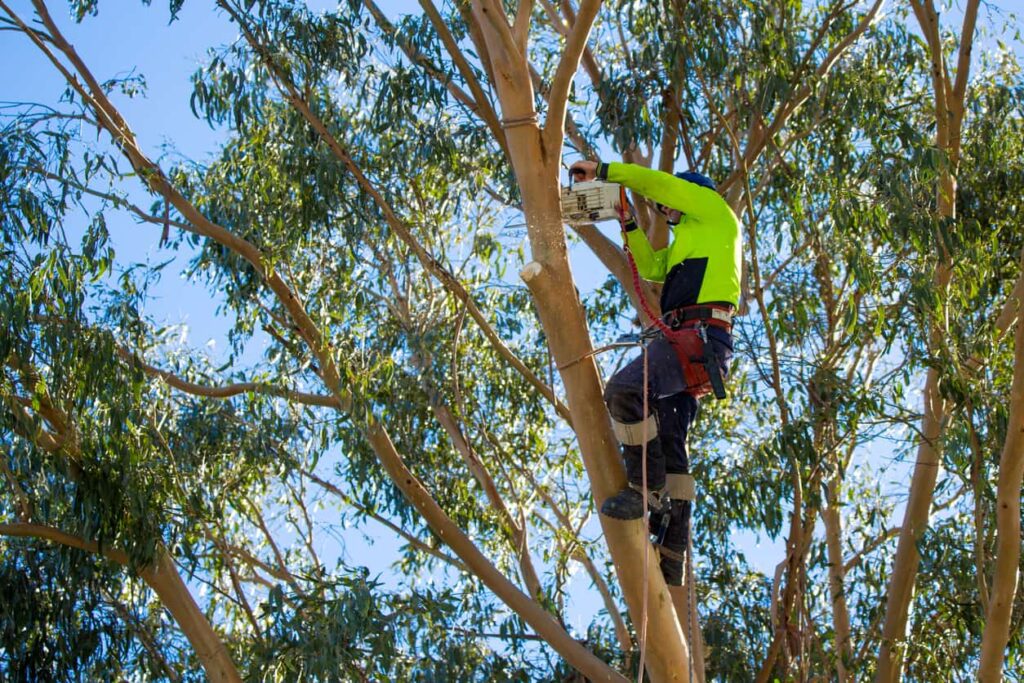
When should they call a professional arborist instead of doing it themselves?
If branches are high, heavy, near structures, or close to power lines, professional help is strongly recommended. Tree work can be dangerous, and incorrect cuts can create long-term structural problems.
A qualified arborist can identify defects, plan pruning to British Standards, and reduce risk to people and property. For homes in Sydney, that expertise often matters most after storms or when trees have outgrown the space.
Related : Tree Lopping Near Me: How To Compare Quotes And Services
FAQs (Frequently Asked Questions)
When is the best time to prune most trees in Sydney?
For many established trees in Sydney, the optimal time for pruning is late winter to early spring. During this period, trees are less active, which reduces sap loss and allows for clearer visibility of the tree’s structure before new growth begins. This timing also promotes strong regrowth as warmer months approach. However, it’s important to consider the specific species, as some may respond better to pruning at different times.
Why does timing matter so much for tree health when pruning?
Timing significantly impacts a tree’s ability to seal pruning wounds and its energy reserves for recovery. Incorrectly timed cuts can lead to weak growth, increased susceptibility to diseases, or the removal of next season’s flowers and fruit. Additionally, Sydney’s warm and humid conditions can encourage fungal infections on fresh cuts, so pruning during milder weather helps reduce these risks.
Which trees should be pruned after flowering in Sydney?
Many ornamental trees that bloom in spring should be pruned soon after they finish flowering because they often develop next year’s flower buds on older wood. Pruning these trees in late winter might remove these buds and diminish flowering. Common examples include certain varieties of magnolia, camellia, and flowering cherries, although this depends on the exact species.
Is summer pruning advisable for trees in Sydney?
Summer pruning can be beneficial for managing vigorous growth, improving light penetration, or reducing wind resistance. It’s also commonly used to remove storm-damaged limbs following severe weather. However, there is a risk of heat stress and sunburn on newly exposed branches during summer. Therefore, if summer pruning is necessary, it should be kept light and avoid over-thinning the tree.
Do I need council approval for tree pruning in Sydney?
In many areas of Sydney, tree pruning and removal are regulated activities, especially for significant trees, heritage-listed specimens, or those within conservation zones. Even on private property, approvals may be required depending on local environmental plans and the tree’s size and species. It’s advisable to check with your local council before undertaking major pruning work and consider hiring a qualified arborist to ensure compliance and proper documentation.
When should I call a professional arborist instead of pruning trees myself in Sydney?
Professional arborist assistance is strongly recommended when dealing with high or heavy branches near structures or power lines due to safety risks. Incorrect pruning can cause long-term structural issues for trees. A qualified arborist can identify defects, plan appropriate pruning according to British Standards, and minimise risks to people and property—especially important after storms or when trees have outgrown their space.