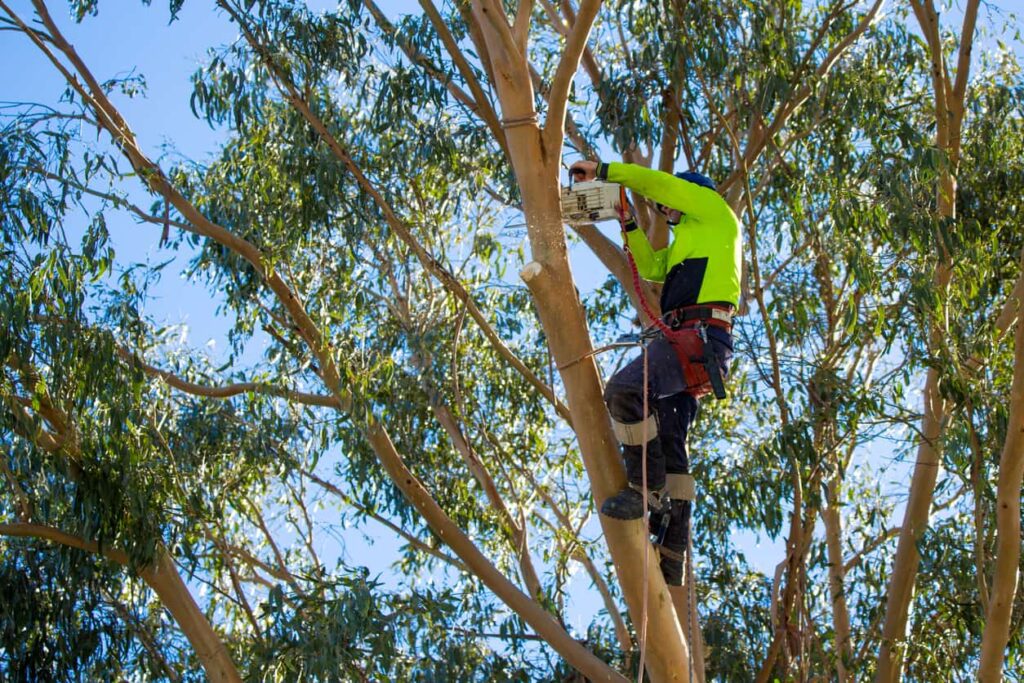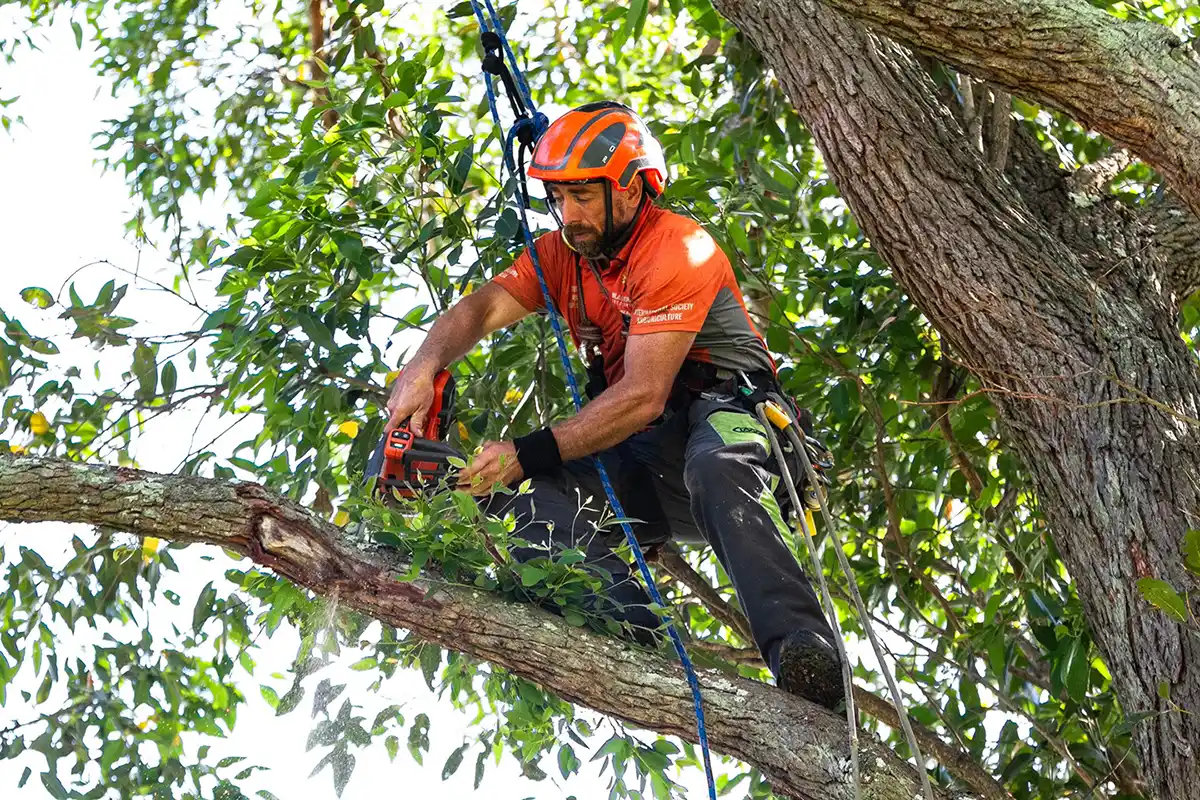
Because Sydney suburbs vary so much, from tight inner city blocks to larger leafy lots, the exact inclusions depend on access, tree species, council rules, and risk.
What does a residential arborist typically assess first?
They usually start with a site inspection focused on risk and tree condition when providing arborist services Sydney. In the first visit, they look for structural defects, pest or disease signs, root problems, and conflicts with buildings or neighbouring properties.
When delivering arborist services Sydney, they may also check access for equipment, identify protected species, and note whether council approvals are likely to be needed before any cutting happens.
What tree pruning services are usually included?
Most arborists include several pruning options based on the tree’s needs and the homeowner’s goals. Common inclusions are crown cleaning (deadwood removal), crown thinning, crown reduction, and selective limb removal to reduce risk.
They should prune to Australian Standards where applicable, avoid harmful “topping,” and leave a structure that supports healthy regrowth rather than weak shoots.
How do they handle hazardous branches and storm risk?
They can remove dead, cracked, or overextended limbs that are likely to fail. This often includes weight reduction cuts, removal of hanging branches, and clearance from roofs, driveways, and play areas.
Some also offer storm preparedness visits, which focus on trees with included bark, poor branch unions, or long lever arms that increase failure risk in wind and heavy rain.
What is included in tree removal services?
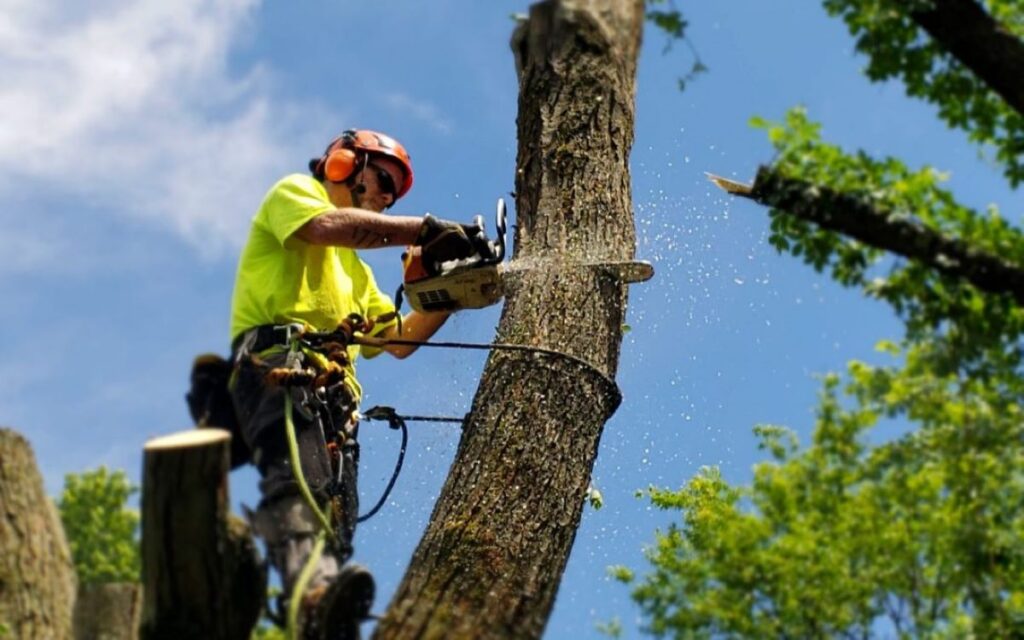
Tree removal typically includes planning the safest dismantle method, controlled lowering of sections with ropes, and protection of nearby structures. In tight Sydney blocks, removals are often piece by piece rather than a single fell.
They may also include stump height reduction to near ground level, cutting timber into manageable sizes, and post removal cleanup, depending on the quote.
Do arborist services include stump grinding and root management?
Many do, but it is often a separate line item. Stump grinding usually includes grinding below ground level so the area can be re-turfed or replanted, plus managing the mulch produced.
Root management may include identifying damaging roots, advising on barriers, or planning staged works to reduce risk to the tree’s stability while protecting paving, pipes, or retaining walls.
Can they provide tree health care and disease treatment?
Yes, tree health care is a common inclusion for residential clients who want to keep mature trees. This can include pest and disease diagnosis, soil and root zone assessments, and recommendations for watering, mulching, and nutrient support.
Where appropriate, they may use targeted treatments or refer to integrated pest management strategies rather than relying on blanket chemical use.
Is tree cabling, bracing, or support part of the service?
Some arborists include structural support systems for trees that are valuable but mechanically weak. This can involve cabling to reduce movement in heavy limbs, bracing to support split unions, or dynamic systems that allow limited sway.
They should explain the limits clearly, because support systems reduce risk but do not guarantee a tree cannot fail.
Do they help with council approvals and compliance in Sydney?
Often, yes. They may help identify whether a tree is exempt, whether it is protected under local rules, and what documentation is required for an application.
Many also provide arborist reports for development applications or neighbour disputes, including species identification, size, health, risk rating, and a justified recommendation aligned to local requirements.
What is included in arborist reports for residential properties?
A typical report includes tree location, species, dimensions, condition, and risk observations. It may include photos, a plan or sketch, and clear recommendations such as pruning specifications or removal justification.
For building projects, reports often address tree protection zones, construction impacts, and practical steps to reduce root damage during excavation.
Does the service include wood chipping, green waste removal, and cleanup?
Cleanup is commonly included, but the level varies. Many quotes include chipping small branches, removing green waste, and raking the work area, while leaving firewood logs if requested.
They should confirm what “cleanup” means in writing, including whether they will blow paths clear, remove sawdust, or take all timber off site.
What safety and insurance coverage should be part of the package?
A professional service should include safe work planning, appropriate PPE, and traffic or pedestrian control when needed. They should also hold relevant insurances such as public liability and, where required, workers coverage.
They may also coordinate with powerline safety requirements and use qualified climbers or elevated work platforms based on site risk.
How do they price residential arborist services in Sydney?
Pricing usually reflects access, tree size and complexity, hazards, and disposal needs. Factors like tight side access, crane requirements, proximity to structures, and protected tree constraints can increase time and cost.
They should provide an itemised quote that states the scope, inclusions, exclusions, and whether council approval is required before works proceed.
What should homeowners ask before booking?
They should ask what standards will be followed, what is included in cleanup, and who is responsible for approvals. They should also ask for proof of insurance, qualifications, and a clear description of the pruning or removal method.
A good arborist will explain risks and tradeoffs in plain terms, then document the agreed scope so there are no surprises on the day.
Related : 9 Things to Know Before Hiring Tree Removal Services Sydney
FAQs (Frequently Asked Questions)
What services do residential arborists in Sydney typically provide for tree health and safety?
Residential arborists in Sydney usually offer comprehensive services including tree health assessments, safety inspections, compliance checks with local council regulations, and long-term care plans. Their work ranges from quick hazard evaluations to complex tree removals near powerlines, fences, and roofs.
How do arborists assess trees during the initial site inspection?
During the first visit, arborists conduct a thorough site inspection focusing on risk and tree condition. They look for structural defects, signs of pests or diseases, root issues, and potential conflicts with buildings or neighbouring properties. They also evaluate equipment access, identify protected species, and determine if council approvals are necessary before any work begins.
What types of pruning services are commonly offered by Sydney arborists?
Common pruning services include crown cleaning (removal of deadwood), crown thinning, crown reduction, and selective limb removal to reduce risks. Arborists adhere to Australian Standards by avoiding harmful practices like topping and aim to maintain a healthy branch structure that supports strong regrowth.
Do arborist services in Sydney include tree removal and stump grinding?
Yes, many arborists provide tree removal services that involve safe dismantling methods such as controlled section lowering with ropes, especially in tight urban blocks. Stump grinding is often available as a separate service line item and includes grinding below ground level to facilitate re-turfing or replanting along with managing the mulch produced.
Can arborists assist with council approvals and compliance for tree work in Sydney?
Absolutely. Many arborists help identify whether trees are protected or exempt under local council rules and assist in preparing necessary documentation for approvals. They often provide detailed arborist reports for development applications or neighbour disputes that include species identification, size, health status, risk ratings, and recommendations aligned with local regulations.
What should homeowners ask before hiring an arborist for residential tree services?
Homeowners should inquire about the standards followed during pruning or removal, details of cleanup included in the service, responsibility for obtaining council approvals, proof of insurance and qualifications of the arborist, as well as a clear explanation of the proposed methods. A reputable arborist will communicate risks clearly and provide documented scope agreements to avoid surprises on the day of work.