


Why is treating termites alone often not enough?
Because termites are usually a symptom of broader conditions, not an isolated event. Moisture, timber contact with soil, poor subfloor ventilation, or garden beds against walls can also attract other pests.
A termite treatment may kill an active colony, but it will not automatically address the factors that invite reinfestation. Without pest-proofing, hygiene improvements, and targeted control of other insects, the property stays attractive to new termite pressure.
What do “combined treatments” actually include?
Combined treatments usually involve coordinating pest and termite control to address both structural risks and everyday pest activity in a single plan.
This can include a termite inspection and monitoring system, a chemical or physical barrier where appropriate, plus targeted controls for common pests such as ants, cockroaches, rodents, and spiders. It also involves practical steps like sealing entry points, managing moisture, and reducing harbourage around the home, ensuring comprehensive pest and termite control.
How do termites and common pests interact around a property?
They often share the same conditions and pathways. Termites thrive where timber stays damp and hidden, and those same areas can support cockroaches, ants, and rodents that nest in wall cavities, roof voids, and subfloors.
Some ants even prey on termites, which can sound helpful, but it can also complicate inspections by disturbing termite mud leads and masking activity. Rodents can damage insulation and wiring, creating access points and moisture issues that make the property more inviting to termites and other insects.
Why does a combined approach save money over time?
Because it reduces repeat call-outs and limits the damage cycle. A property owner might pay for a termite treatment, then later pay again for ants, then again for rodents, while the underlying entry routes and moisture problems remain.
A combined plan is designed to break that pattern. By tackling conditions, access points, and multiple pest species together, the property is less likely to experience recurring infestations that lead to timber repairs, electrical faults, and ongoing treatment costs.
Which risks does a termite treatment not address on its own?
A termite treatment typically targets termite activity and reinfestation risk, but it does not automatically prevent other pests from entering or nesting. That matters because many common pests create secondary problems that undermine long-term protection.
Rodents may chew pipes or wiring, creating leaks and humidity. Cockroaches can spread bacteria and trigger allergies. Ants can invade kitchens and wall voids. Spiders may flourish where insect prey is abundant. If these issues persist, the property remains under stress and more attractive to future pest activity.
How do combined treatments strengthen prevention, not just elimination?
Because prevention depends on reducing pressure, not just killing what is present today. Combined programmes focus on monitoring, exclusion, and environmental changes alongside targeted applications.
That could mean installing termite monitoring stations, applying barriers where required, and adding practical pest-proofing such as sealing weep holes correctly, fitting door sweeps, screening vents, and managing vegetation away from external walls. The result is fewer entry opportunities and fewer reasons for pests to stay.
Other Resources : Pest control in the home
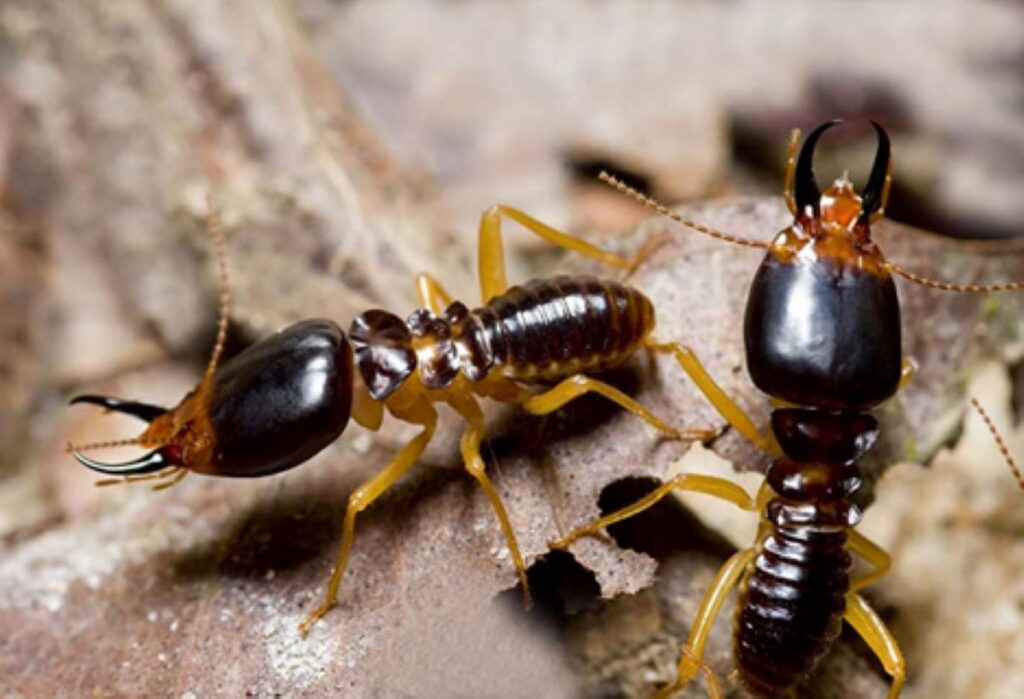
When is the best time to combine pest and termite control?
The best time is before a problem becomes visible, or as soon as any pest activity is noticed. Waiting for clear termite damage is risky because termites can work out of sight for months or years.
Many properties benefit from combining treatments at key moments such as moving in, completing renovations, buying a home after a building and pest report, or at the start of warmer seasons when activity increases. Coordinating services also helps ensure treatments do not interfere with each other and that inspection access remains clear.
What should property owners expect from an effective combined plan?
They should expect a structured process, not a one-off spray. A reliable plan starts with a thorough inspection that looks for termite activity, moisture issues, conducive conditions, and evidence of other pests.
From there, the provider should outline what will be treated, why it is necessary, and how the property will be monitored. They should also provide practical guidance such as storing firewood away from the building, fixing leaks, reducing soil-to-timber contact, and keeping subfloor areas accessible for future inspections.
How can they support treatments to make protection last longer?
They can make small changes that have a big impact. Termites and pests exploit neglect, clutter, and moisture, so improving conditions often reduces pressure dramatically.
They should keep garden beds and mulch from bridging weep holes, avoid stacking timber against walls, repair leaking taps or gutters, and maintain ventilation in subfloors and roof spaces. Regular cleaning, secure food storage, and sealing gaps around pipes and cables also reduce the “easy wins” that keep pests returning. You may like to visit https://methowvalleyherbs.com/mice-removal-sydney-inner-city-suburban-homes/ to get more about mice removal Sydney: fast solutions for inner-city and Suburban homes.
What is the long-term takeaway for protecting a property?
Combining pest and termite control protects more than the home’s comfort. It protects the structure, reduces hidden risks, and creates a preventative system that is harder for pests to defeat.
A single treatment can solve a single moment. A combined approach builds ongoing resilience, which is what most properties actually need to stay protected year after year.
FAQs (Frequently Asked Questions)
Why is treating termites alone often not enough for pest control?
Treating termites alone is often insufficient because termite infestations usually indicate broader underlying issues such as moisture problems, timber contact with soil, poor subfloor ventilation, or garden beds against walls. These conditions attract not only termites but also other pests like ants, rodents, and cockroaches. Without addressing these factors through pest-proofing and hygiene improvements, termite treatments may fail to prevent reinfestation.
What does a combined pest and termite control treatment typically include?
A combined treatment coordinates termite-specific measures with general pest management to protect both the building structure and everyday living areas. This includes termite inspections and monitoring systems, chemical or physical barriers where appropriate, targeted controls for common pests such as ants, cockroaches, rodents, and spiders, as well as practical steps like sealing entry points, managing moisture levels, and reducing harbourage around the property.
How do termites interact with common household pests around a property?
Termites often share the same favourable conditions with other pests like ants, cockroaches, and rodents—such as damp timber areas hidden from view. Some ants prey on termites but can disrupt termite activity indicators, complicating inspections. Rodents may cause damage to insulation and wiring that increases moisture problems and creates further access points for termites and insects, thereby exacerbating infestations.
Why does combining pest and termite control save money over time?
Combining treatments reduces repeat call-outs by addressing multiple pest species and underlying causes simultaneously. This approach breaks the cycle of recurring infestations that lead to costly timber repairs, electrical faults, and ongoing treatment expenses. By tackling access points, moisture issues, and various pests together, property owners avoid paying separately for individual treatments over time.
What are the limitations of a standalone termite treatment?
A standalone termite treatment targets only termite activity and reinfestation risks but does not prevent other pests from entering or nesting in the property. Common pests like rodents can cause secondary damage such as chewing wiring or pipes leading to leaks; cockroaches can spread bacteria; ants may invade kitchens; spiders thrive where insect prey is abundant. These issues undermine long-term protection if left unaddressed.
When is the best time to implement combined pest and termite control measures?
The optimal time for combined pest and termite control is before visible problems arise or immediately upon noticing any pest activity. Early intervention reduces risks since termites can cause hidden damage over months or years. Key moments include moving into a new home, post-renovation completion, after a building and pest report when purchasing property, or at the start of warmer seasons when pest activity increases.