

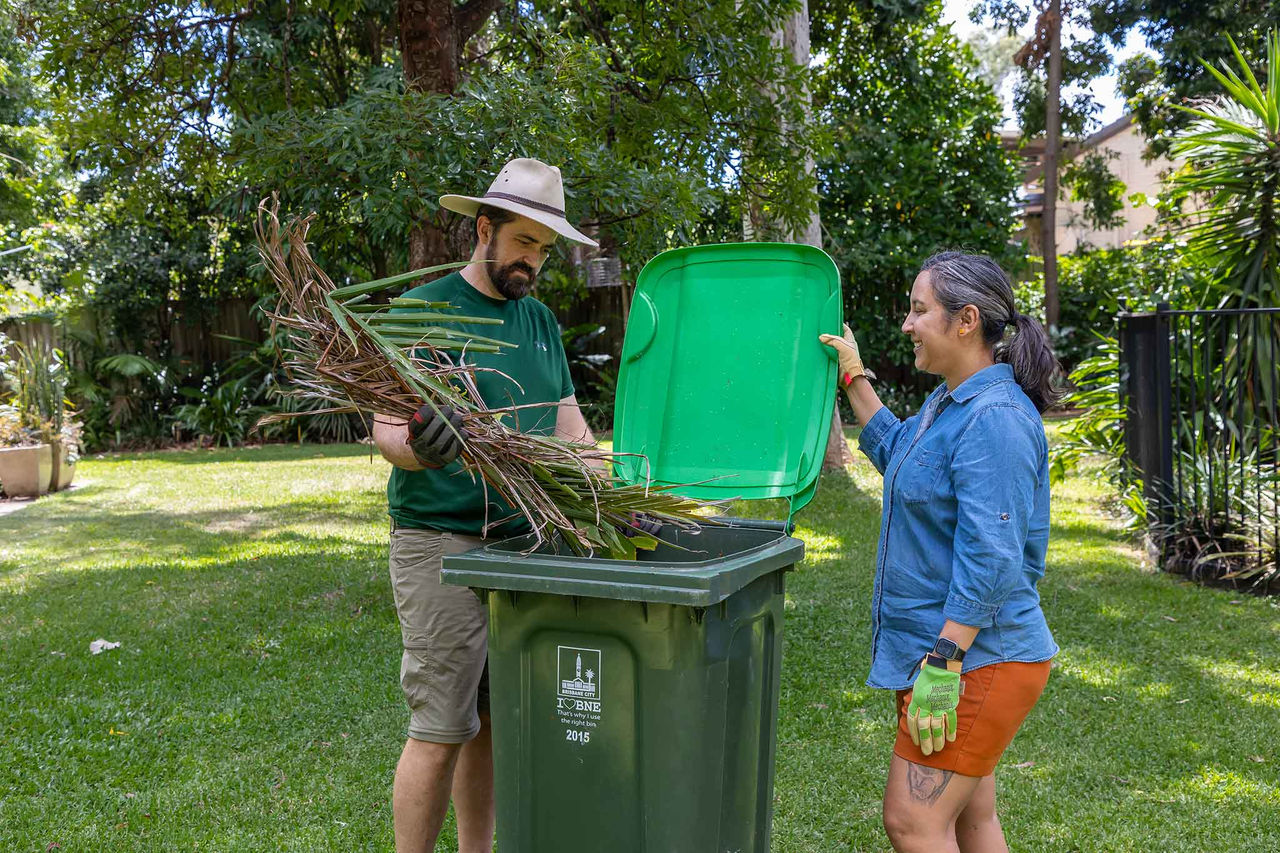
Gardens and trees bring beauty, shade, and environmental value to Australian homes. However, regular maintenance also creates organic waste such as leaves, branches, grass clippings, and pruning debris. Managing this material responsibly matters, not only for cleanliness but also for environmental sustainability.
For this reason, many homeowners and gardeners rely on green waste pickup services to dispose of garden and tree waste efficiently. When handled correctly, green waste does not become a burden—it becomes a resource that supports soil health, composting, and ecological balance.
What Is Green Waste?
Green waste refers to biodegradable organic material generated from gardens, landscapes, and tree maintenance. Unlike general household waste, green waste can be recycled naturally when processed correctly.
Common types of green waste include:
- Tree branches and twigs
- Leaves and bark
- Grass clippings
- Hedge trimmings
- Plant cuttings and weeds
Because this material breaks down naturally, it plays an important role in sustainable waste management systems across Australia.
See also: How to Find Safe, Responsible Tree Care Services in Australia
Why Proper Green Waste Management Matters
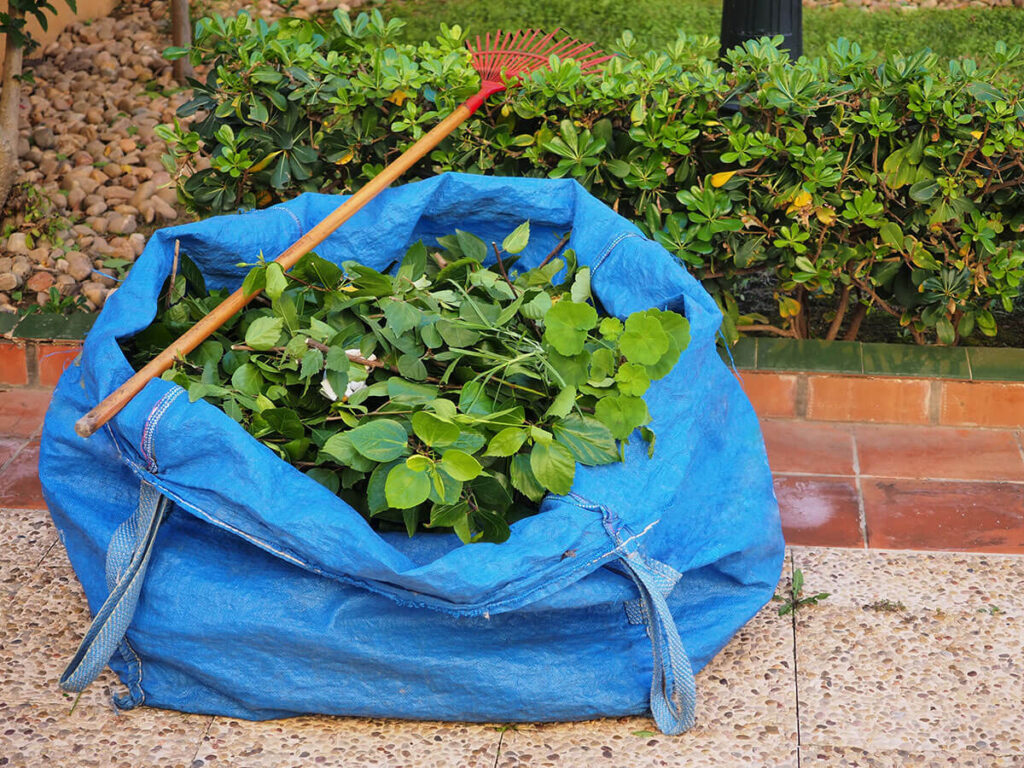
Managing garden and tree waste responsibly benefits both the environment and the community. When green waste ends up in landfill, it produces methane, a harmful greenhouse gas. In contrast, recycled organic material supports compost production and soil regeneration.
Moreover, proper green waste management:
- Reduces landfill pressure
- Supports local recycling programs
- Encourages healthier gardens
- Promotes sustainable tree care practices
As a result, choosing the right disposal method creates long-term environmental benefits.
How Green Waste Pickup Services Work in Australia
Most Australian councils and private providers offer green waste pickup solutions designed to suit residential needs. These services typically operate in one of the following ways:
Scheduled Kerbside Collection
Many councils provide regular green waste pickup using dedicated bins. Residents place approved materials inside green-lid bins for scheduled collection.
On-Demand Collection Services
Private services collect green waste upon request, which works well after major garden clean-ups or tree maintenance projects.
Drop-Off and Transfer Stations
Some areas allow residents to transport green waste to approved facilities for processing and recycling.
Each option supports sustainable disposal when used correctly.
What Can and Cannot Go in Green Waste Bins
Although green waste seems straightforward, not all organic materials qualify. Following guidelines ensures smooth collection and proper recycling.
Accepted Materials
- Leaves, grass, and garden clippings
- Small branches and twigs
- Pruned plant material
Materials to Avoid
- Treated timber
- Soil and rocks
- Plastic bags
- Food waste (unless specified)
Sorting correctly prevents contamination and improves recycling outcomes.
Green Waste and Tree Maintenance
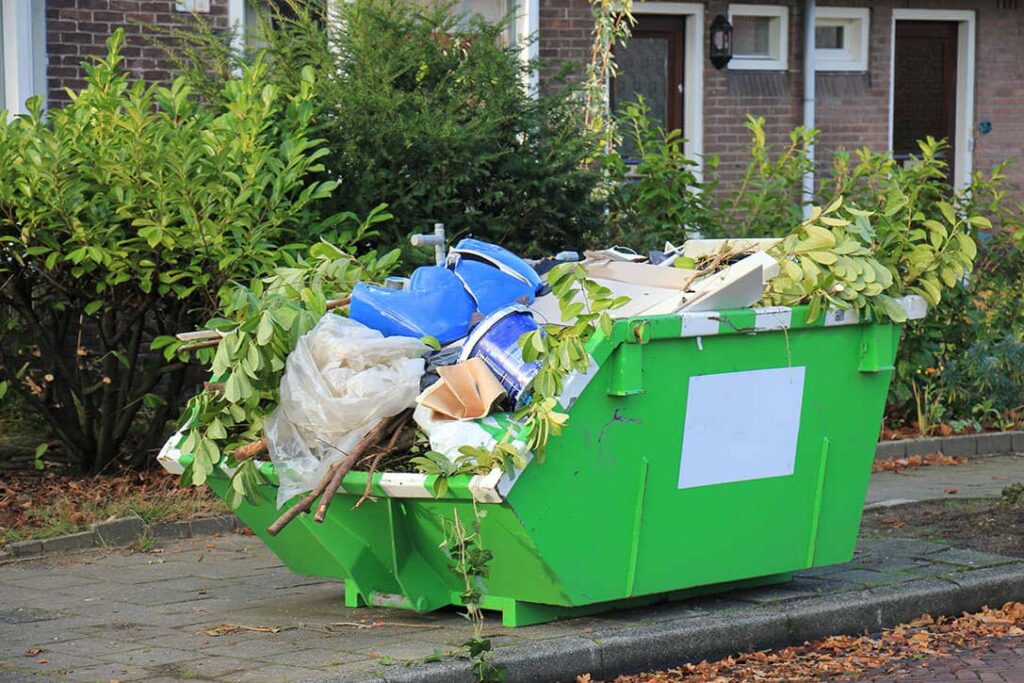
Tree care generates significant green waste, especially during pruning, storm cleanup, or seasonal maintenance. Responsible disposal protects surrounding gardens and ecosystems.
After tree lopping or pruning:
- Separate large branches from fine material
- Bundle branches if required
- Avoid mixing waste with soil or debris
Efficient green waste pickup supports clean properties and healthier landscapes.
Composting vs Green Waste Pickup
Some homeowners choose composting, while others prefer green waste pickup. Each method serves different needs.
Composting Benefits
- Creates nutrient-rich soil
- Reduces reliance on external services
- Supports home gardens
Green Waste Pickup Benefits
- Handles large volumes efficiently
- Manages woody materials unsuitable for compost
- Saves time and effort
Many Australians combine both methods to achieve balanced waste management.
Environmental Benefits of Green Waste Recycling
Recycled green waste often becomes mulch or compost, which improves soil structure and moisture retention. These products support sustainable gardening and tree care across Australia.
Key benefits include:
- Improved soil health
- Reduced chemical fertiliser use
- Enhanced water efficiency
- Support for native plant growth
Therefore, green waste recycling contributes directly to environmental resilience.
How Green Waste Supports Garden Health
Healthy gardens rely on nutrient-rich soil. When green waste transforms into compost or mulch, it returns organic matter to the earth.
This process:
- Enhances microbial activity
- Reduces erosion
- Encourages plant growth
Gardeners who understand this cycle make better long-term care decisions.
Seasonal Green Waste Considerations
Green waste volumes fluctuate throughout the year. Autumn leaf drop, spring pruning, and storm seasons all increase garden debris.
Planning ahead helps manage seasonal waste effectively:
- Schedule collections after major pruning
- Avoid overfilling bins
- Prepare bundles according to guidelines
Thoughtful planning reduces stress and improves efficiency. You may visit https://www.cityofsydney.nsw.gov.au/waste-recycling-services/recycle-garden-organics to get about order a garden organics (green lid) bin.
Choosing the Right Green Waste Pickup Service
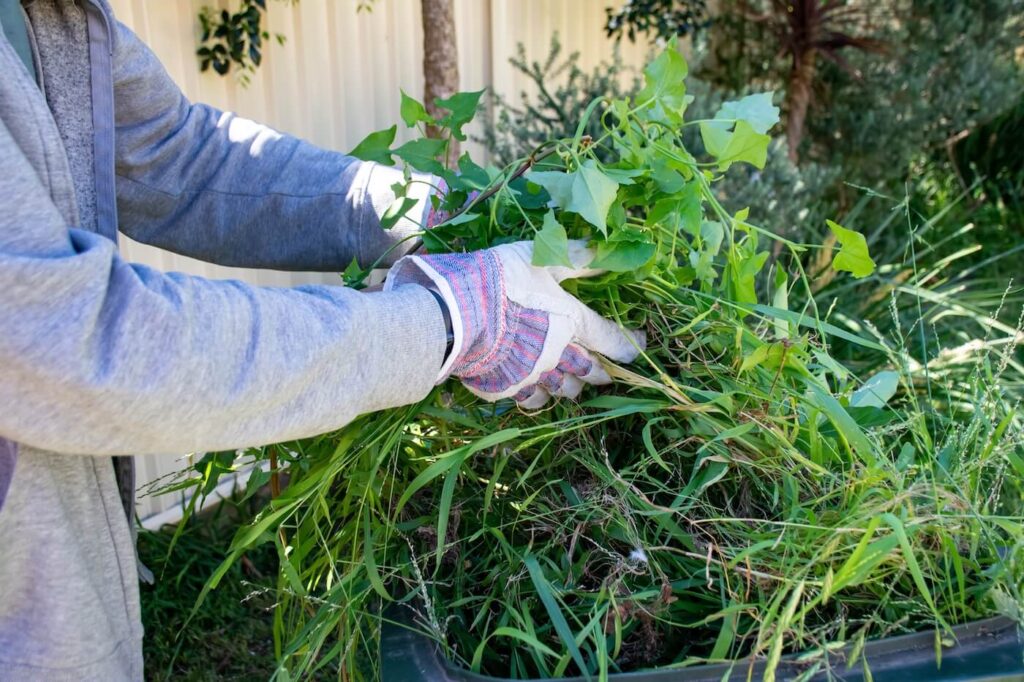
Selecting a reliable service ensures proper handling and environmental responsibility. When evaluating providers, consider:
- Compliance with local regulations
- Recycling methods used
- Transparency in pricing
- Environmental commitment
Responsible services prioritise recycling over landfill disposal.
Green Waste Pickup and Sustainability Goals
Australia continues to improve waste diversion targets and sustainability practices. Green waste pickup plays a key role in achieving these goals by:
- Reducing landfill dependency
- Supporting circular waste systems
- Encouraging community participation
Individual choices collectively create national impact.
Common Mistakes to Avoid
Even well-intentioned gardeners sometimes make mistakes. Avoid:
- Mixing green waste with household rubbish
- Using plastic bags inside bins
- Including oversized branches without preparation
Correct sorting improves collection success and recycling efficiency.
Green Waste and Native Ecosystems
Australian gardens often include native plants and trees that support local wildlife. Responsible waste handling protects these ecosystems by preventing unnecessary disruption.
Mulch produced from green waste:
- Supports soil moisture
- Reduces weed growth
- Mimics natural forest floor conditions
These benefits align closely with sustainable land care principles.
How Methow Valley Herbs Encourages Responsible Practices
At Methow Valley Herbs, we focus on education that supports sustainable tree and garden care. While we do not offer waste removal services, we help readers understand:
- Tree maintenance principles
- Garden health fundamentals
- Environmentally responsible practices
Knowledge empowers better choices at every stage of garden care.
Green Waste Pickup for Large Garden Projects
Major landscaping or tree work often produces more waste than standard bins can handle. In such cases:
- On-demand green waste pickup offers flexibility
- Professional services manage volume efficiently
- Recycling facilities process material responsibly
Planning disposal before starting work saves time and effort.
Cost Considerations for Green Waste Services
Costs vary based on:
- Volume of waste
- Collection frequency
- Service type
Although free council services suit many households, private pickup offers convenience for larger projects.
The Future of Green Waste Management in Australia
Innovations in composting, bioenergy, and waste processing continue to improve sustainability outcomes. Community awareness and participation remain essential for progress.
As more Australians adopt responsible habits, green waste becomes part of the solution rather than a problem.
Final Thoughts: Turning Garden Waste into a Resource
Green waste pickup offers an effective, sustainable way to manage garden and tree waste across Australia. When handled responsibly, organic material supports soil health, reduces landfill use, and strengthens ecosystems.
By understanding how green waste systems work, homeowners and gardeners can make informed choices that benefit both their landscapes and the environment. Sustainable garden care begins not with disposal, but with awareness and responsibility.